
Your Baby, Your Journey
A new parent’s guide from Miami Kids Magazine. From the first positive test to the first birthday, we are here to help your family find information, encouragement and local resources.
Dear parents, a new baby brings so much love, and so many questions. What should I buy? Where should I deliver? How do I find a pediatrician I trust? You do not need to have every answer today. We created this space so you can find a little help whenever you need it.
A guide with a personal beginning
Miami Kids Magazine began with a mother, a notebook, and a wish to help other families. Our founder, Karla Richey, first imagined the publication while expecting her son, Kenneth. Years later, with daughter Valeria just one year old, she brought that idea to life. Today, the same purpose guides this new resource: helping parents find information, support, and a community that cares.
The months before your baby is born are a good time to get organized, one small step at a time. Start with what matters most and leave room for the unexpected.
Early pregnancy
Schedule prenatal care, review medicines and vitamins with your clinician, ask about screenings and start a list of questions.
Middle months
Look into delivery hospitals, prenatal classes, insurance coverage and parental leave. Begin researching pediatricians.
Final months
Arrange help at home, prepare the sleeping space, learn to use the car seat and pack your hospital bag.
Classes worth asking about
- Childbirth and labor preparation
- Breastfeeding or formula-feeding education
- Newborn care, bathing and soothing
- Infant CPR and first aid
- Postpartum recovery and emotional wellness
Ask your hospital or care team which classes are available in person, online or in your preferred language.
Before delivery, remember to
- Choose a pediatrician and learn how to schedule the first visit.
- Confirm your delivery hospital and the route you will take.
- Understand your insurance benefits and possible out-of-pocket costs.
- Discuss a birth plan and who to call if labor begins.
- Plan help with meals, older children, pets and errands.
There are beautiful baby products everywhere, but your newborn needs fewer things than you might think. Start with safe, useful basics. You can always add more later.
Sleep
- Crib, bassinet or play yard that meets current safety standards
- Firm, flat mattress and fitted sheets
- Sleep sacks or wearable blankets in appropriate sizes
Travel
- Rear-facing infant car seat appropriate for your baby
- Stroller suitable for newborns or a properly used newborn carrier
- Diaper bag or everyday tote
Changing & bathing
- Newborn and size 1 diapers, wipes and diaper cream
- Changing pad and easy-to-clean supplies
- Baby bathtub, soft washcloths and gentle cleanser
Clothes & comfort
- Several zip-up sleepers and comfortable bodysuits
- Burp cloths, bibs and a few receiving blankets for supervised use
- Digital thermometer and nail-care supplies
Feeding
- Bottles and cleaning supplies if you plan to use them
- Nursing bras or breast-pump supplies if relevant to your feeding plan
- A comfortable place to feed your baby
Aim to pack around the final weeks of pregnancy, or earlier if your care team recommends it. Hospitals provide different supplies, so ask yours what is included.
For the birthing parent
- Photo ID, insurance card and hospital information
- Comfortable going-home clothes, socks and slippers
- Toiletries, lip balm, hair ties and glasses or contacts
- Phone, charger and any personal comfort items
- Birth preferences and a list of important contacts
For baby
- Going-home outfit in newborn and 0–3 month sizes
- Weather-appropriate layer for the trip home
- Properly installed rear-facing car seat
For your support person
- Change of clothes and basic toiletries
- Phone charger, snacks and refillable water bottle
- List of people to update after baby arrives
For the trip home
- Discharge paperwork and care instructions
- First pediatrician appointment information
- Any prescribed medicines and follow-up instructions
Choosing a pediatrician is personal. You want a doctor who listens, answers questions clearly and helps you feel comfortable calling when something worries you.
You can begin meeting practices before delivery. Check whether they accept your insurance, where they are located and how they handle after-hours concerns.
Questions to bring to your first conversation
- Are you accepting newborn patients and our insurance?
- When should our baby have the first appointment after hospital discharge?
- How do we reach the office at night or on weekends?
- Who sees our baby when our usual doctor is unavailable?
- How do you support families with feeding questions or developmental concerns?
- Can we receive care in English or Spanish?
- What should we do if our baby has a fever or seems unwell?
A place to write your notes
- Practice / doctor
- Phone
- Office address
- First appointment
Those first days can be beautiful, exhausting and full of surprises. Give yourself permission to learn as you go. Rest when you can and let people help.
A gentle first-week checklist
- Follow the hospital discharge instructions and schedule your baby’s first checkup.
- Ask your pediatrician about feeding, wet diapers, weight and jaundice.
- Keep your baby’s sleep space clear and place them on their back for sleep.
- Keep emergency numbers and your pediatrician’s contact information nearby.
- Attend postpartum follow-up visits and speak openly about how you feel.
- Ask for support with meals, chores and caring for older children.
Your baby will learn something new in their own time. The small everyday moments — talking, cuddling, reading and playing — matter more than a perfect schedule.
Little ways to connect
- Talk and sing to your baby during everyday routines.
- Share sturdy picture books, even before your baby understands the words.
- Offer supervised tummy time while baby is awake.
- Go outside for fresh air when conditions are safe and comfortable.
- Ask about age-appropriate feeding, vaccines and developmental milestones at well-child visits.
When you have questions
If you notice concerns about hearing, vision, feeding, movement, communication or development, talk with your pediatrician. You do not need to wait for a particular birthday to ask.
Free family ideas
Try a simple lullaby at bedtime, name colors while getting dressed, look at family photographs together, or visit a local library for baby-friendly story time. We will continue adding songs, activities and printable learning pages to this section.
A little organization can make busy days easier. Save these lists on your phone, print them for the fridge or share them with someone helping you prepare.
Baby shopping checklist
- Safe sleep space
- Car seat
- Diapers and wipes
- Clothing and feeding basics
- Bathing and health supplies
Hospital bag checklist
- Documents and insurance
- Clothing and toiletries
- Chargers and personal items
- Baby going-home outfit
- Car seat
Pediatrician visit organizer
- Questions to ask
- Medicines or supplements to discuss
- Feeding and diaper notes
- Appointments and follow-ups
First-week-at-home planner
- Pediatrician contact
- Support person and emergency numbers
- Follow-up appointments
- Meals and help at home
Whether you live in Miami, Broward, Tampa Bay or Orlando, finding the right care should feel a little easier.
Miami-Dade
From your first prenatal visit to your baby’s first pediatric appointment, these local healthcare locations are a place to begin your search.
Maternity hospitals and women’s care
- Baptist Hospital8900 N. Kendall Drive, Miami, FL 33176
- South Miami Hospital6200 SW 73rd Street, South Miami, FL 33143
- HCA Florida Mercy Hospital3663 S. Miami Avenue, Miami, FL 33133
- The Women’s Hospital at Jackson Memorial1611 NW 12th Avenue, Miami, FL 33136
Children’s health and pediatric care starting points
- Nicklaus Children’s Hospital3100 SW 62nd Avenue, Miami, FL 33155
- Nicklaus Children’s Midtown Outpatient Center3915 Biscayne Boulevard, Miami, FL 33137
Before you make an appointment
Ask whether the location offers the specific maternity, prenatal education or pediatric service you need. For a pediatrician, request the address of the actual physician’s office.
Broward
Families in Fort Lauderdale, Hollywood and Pembroke Pines can begin with these local maternity and children’s health locations.
Maternity hospitals and women’s care
- Memorial Regional Hospital3501 Johnson Street, Hollywood, FL 33021
- Memorial Hospital West703 N. Flamingo Road, Pembroke Pines, FL 33028
- Broward Health Medical Center1600 S. Andrews Avenue, Fort Lauderdale, FL 33316
Children’s health and pediatric care starting points
- Joe DiMaggio Children’s Hospital1005 Joe DiMaggio Drive, Hollywood, FL 33021
What to ask
Which hospital provides delivery services? Are childbirth classes available? Where is the pediatric clinic? Confirm current programs before visiting.
Tampa Bay
Getting ready for a new baby in Tampa Bay? Start with established hospitals and ask about childbirth education, newborn services and pediatric referrals.
Maternity hospitals and women’s care
- St. Joseph’s Women’s Hospital3030 W. Dr. Martin Luther King Jr. Boulevard, Tampa, FL 33607
- Tampa General Hospital1 Tampa General Circle, Tampa, FL 33606
Children’s health starting point
- St. Joseph’s Children’s Hospital3001 W. Dr. Martin Luther King Jr. Boulevard, Tampa, FL 33607
What to ask
Check delivery services, insurance participation, newborn classes and the location of the pediatric practice you are considering.
Orlando
There is a lot to prepare for before a baby arrives. These Orlando-area healthcare locations can help you begin researching maternity and pediatric services.
Maternity hospitals and women’s care
- Orlando Health Winnie Palmer Hospital for Women & Babies83 W. Miller Street, Orlando, FL 32806
- AdventHealth Orlando601 E. Rollins Street, Orlando, FL 32803
Children’s health starting points
- Orlando Health Arnold Palmer Hospital for Children92 W. Miller Street, Orlando, FL 32806
- AdventHealth for Children601 E. Rollins Street, Orlando, FL 32803
What to ask
Confirm which campus provides your intended service, where to attend prenatal classes and how to find a pediatrician accepting new patients.
A note from our founder
Why I Created Miami Kids Magazine
The original story of Miami Kids Magazine began as an idea in 2011 and became a published magazine in 2016.
Back to top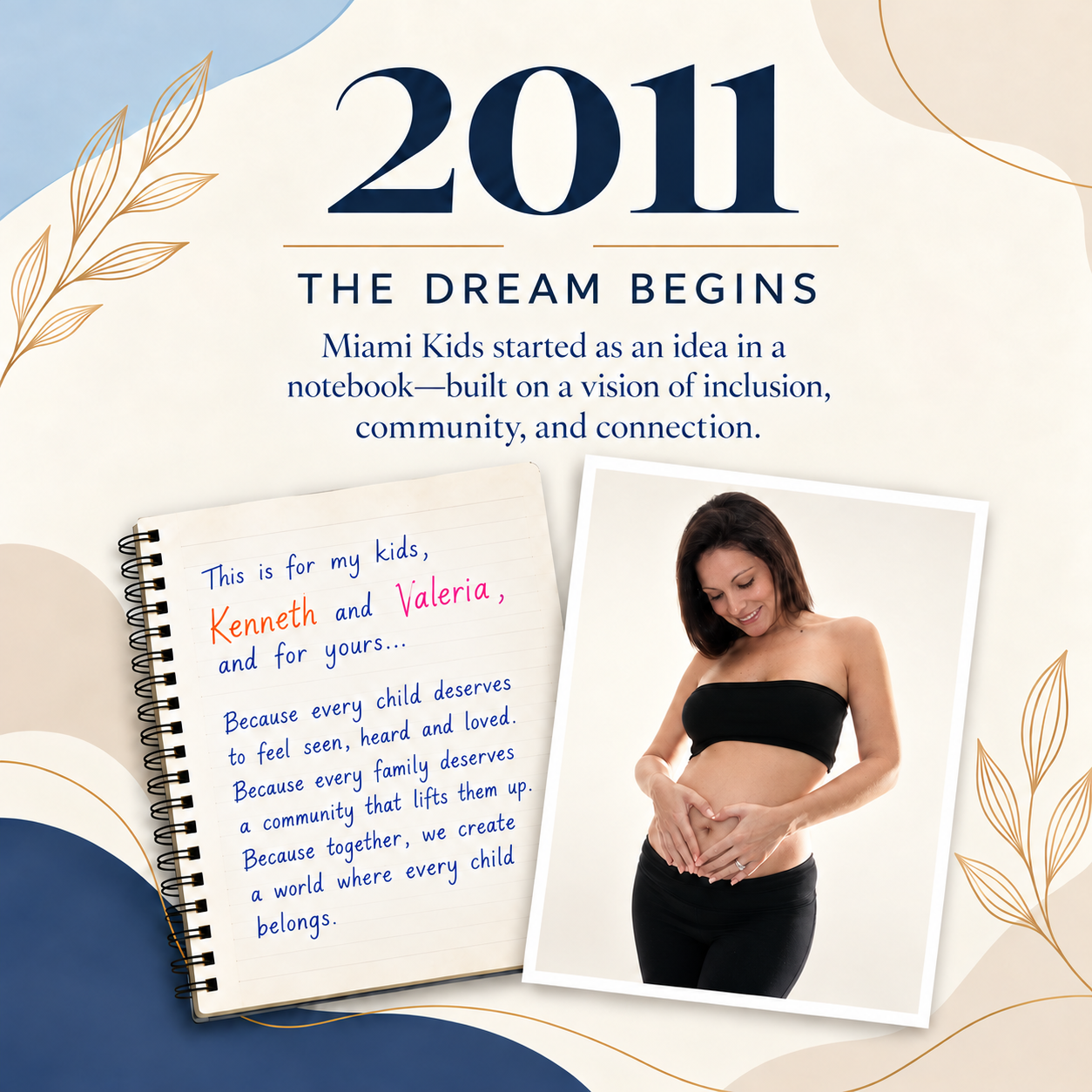
Long before the first issue of Miami Kids Magazine was printed, I had a notebook filled with ideas. I started writing them down while I was pregnant with my son, Kenneth. I was about to become a mother, and I had so many questions about the wonderful, unfamiliar world ahead of me.
As my family grew, so did that notebook. I wanted to create a publication where parents could discover helpful information, learn from professionals, find activities for their children, and feel connected to other families in our community.
When my daughter, Valeria, was one year old, I finally launched Miami Kids Magazine. Kenneth and Valeria have been my inspiration from the very beginning. They have helped shape our stories, activities, and events, and they continue to remind me why this work matters.
Over the years, we have met families with different experiences, questions, and needs. Those conversations have made our mission even more important: to create a welcoming place where every child and every family feels included.
That is why Your Baby, Your Journey means so much to me. It brings us back to the beginning. Whether you are expecting your first baby or growing your family, I hope these pages help you feel a little more prepared and a little less alone. We are happy to be part of your journey.
 Karla C. Richey, Founder & Publisher, Miami Kids Magazine
A Note From Miami Kids Magazine
Every family’s story is different. Some parents feel ready for everything; others have a hundred questions before breakfast. Both are normal.
We hope Your Baby, Your Journey becomes a place you return to whenever you need a list, a local resource or a little reassurance. We are glad to be part of this chapter with you.
This guide is educational and is not a substitute for individual medical advice. Free directory listings are not sponsorships or endorsements. Healthcare services and addresses can change; please confirm them before visiting.
Editorial reference websites
- healthychildren.org (opens in a new tab)
- cdc.gov (opens in a new tab)
- baptisthealth.net (opens in a new tab)
- jacksonhealth.org (opens in a new tab)
- nicklauschildrens.org (opens in a new tab)
- mhs.net (opens in a new tab)
- browardhealth.org (opens in a new tab)
- baycare.org (opens in a new tab)
- tgh.org (opens in a new tab)
- orlandohealth.com (opens in a new tab)
- adventhealth.com (opens in a new tab)